

-30%



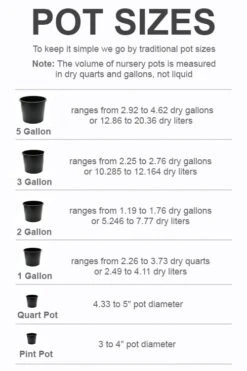

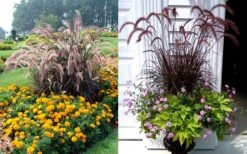
Purple Fountain Grass (Pennisetum Rubrum) – 1 Gallon Pot
Original price was: $34.97.$24.48Current price is: $24.48.
- Your Security is Our Promise
- Prompt service, every time.
- 7 days free returns
- Top Quality Products

Purple Fountain Grass
Pennisetum setaceum ‘Rubrum’
Plant Details
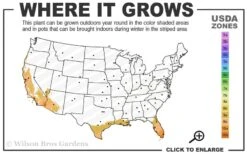
USDA Plant Hardiness Zones: 9a-11 Find Your Zone
Plant Type: Ornamental Grass
Height at Maturity: 3-4′
Width at Maturity: 2-3′
Spacing: Space 30″ apart for mass planting; 5’+ for space between plants; Use 1 plant in a 16″ + size container
Spacing: Space 30″ apart for mass planting; 5’+ for space between plants; Use 1 plant in a 16″ + size container
Growth Habit / Form: Arching, Clumping, Upright
Growth Rate: Fast
Flower Color: Burgundy
Flower Size: 8-12″
Flower Type: Bottlebrush-like
Flowering Period: Late Spring, Summer, Fall
Foliage Color: Deep Burgundy Purple
Fragrant Foliage: No
Sun Needs: Full Sun or Mostly Sun
Water Needs: Average
Soil Type: Clay (Amended), Loam, Sand, Silt
Soil Drainage: Well Drained Moist to Moderately Dry
Soil pH: 5.5 – 7.5
Maintenance / Care: Very Low
Resistances: Deer, Disease, Drought, Heat, Humidity, Insect
Attracts: Visual Attention, Birds
Description
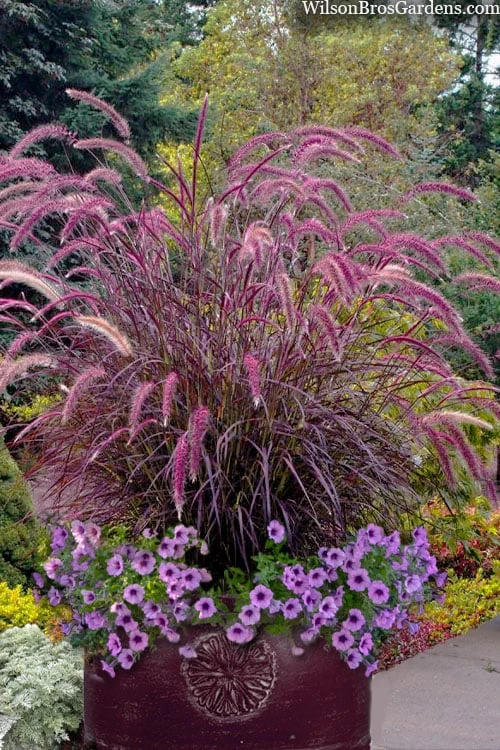
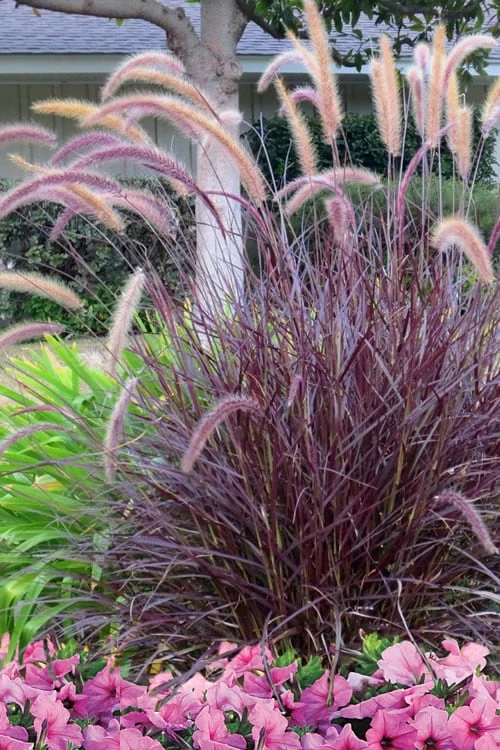
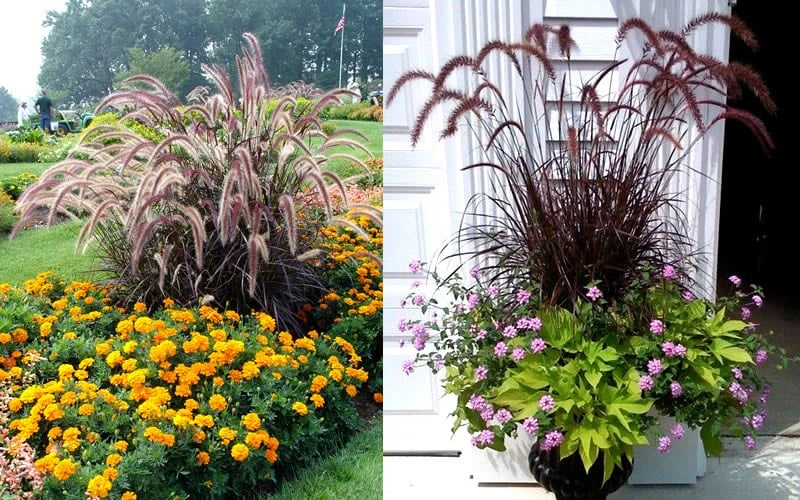
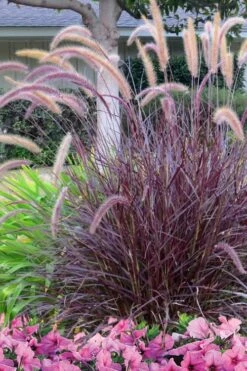
One of the most showy of any ornamental grasses we grow and offer, Purple Fountain Grass is one of a few that displays deep purple foliage throughout the season. In Zones 9 to 11 it is a hardy perennial plant. In Zones north of 9 it is an annual (lives 1 year or less) primarily used as a centerpiece or background in landscape and flower beds or container gardens, which can be brought indoors during winter. The plant itself forms an upright clump of deep burgundy-purple leaves 2.5 to 3 feet tall or so depending on climate. In late spring or early summer, arching, bottlebrush-like burgundy flowers on this stems rise above the foliage.
Landscape & Garden Uses
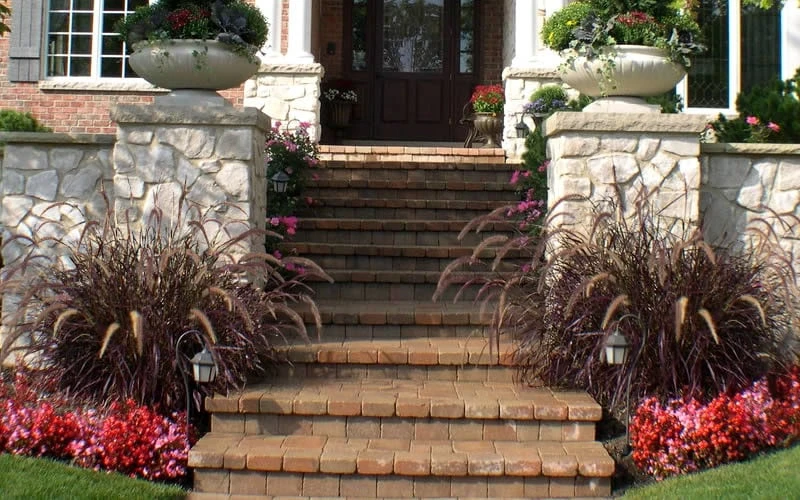
In our gardens here in north-central Georgia, we use Purple Fountain Grass as a seasonal accent plant in many spots throughout our gardens. We like using it as a centerpiece in annual flower beds surrounded with pink, lavender, white, yellow or orange flowers, such as petunias. It is also a perfect centerpiece in combination container gardens 16 inches or more in diameter surrounded by colorful flowering annual plants such as Million Bells (Calibrachoa). Where winter hardy, Purple Fountain Grass is ideal for an accent or in groupings or mass plantings in landscape borders and home foundation plantings. A fine addition to ornamental grass gardens ad purple theme gardens.
Suggested Spacing: 30 inches apart for mass plantings; 5 feet or more apart for space between plants
How To Measure Total Square Feet Of A Planting Area
How Many Plants Needed To Cover A Planting Area?
Note: For our customers who live and garden north of USDA Zone 9a, where this Pennisetum variety is not reliably winter hardy, you’ll be happy to know it can be grown in containers that can be brought indoors during winter and placed back outside when temperatures warm up in spring.
Growing Preferences
Purple Fountain Grass is very easy to grow in most any moist but well-drained soil of average to low fertility and full to mostly sun for deepest foliage color. Established plants are quite drought tolerant. Constantly soggy soil or standing water is problematic.
Helpful Articles
Click on a link below to find helpful advice from our experts on how to plant and care for Pennisteum Fountain Grass.
How To Plant Pennisetum Fountain Grasses
How To Fertilize, Water & Prune Pennisetum Fountain Grasses
How To Measure Square Feet of A Planting Area
Determining How Many Plants To Fill A Planting Area
Plant Long & Prosper!
Meet The Wilson Brothers & Staff
Questions? Contact Us!
The plants were in great shape and shipped well. Will buy from again.—————————————–We are so glad you are pleased and we hope you enjoy them for years to come! Thanks for the great review! 🙂 Beth Steele | WBG
Be the first to review “Purple Fountain Grass (Pennisetum Rubrum) – 1 Gallon Pot”
Related products
-38%
Original price was: $159.97.$98.99Current price is: $98.99.
-30%

Original price was: $79.97.$55.98Current price is: $55.98.
-30%
Original price was: $37.97.$26.58Current price is: $26.58.
-30%
Original price was: $32.97.$23.08Current price is: $23.08.
-30%
Original price was: $39.97.$27.98Current price is: $27.98.
-30%

Original price was: $99.97.$69.98Current price is: $69.98.
-30%
Original price was: $44.97.$31.48Current price is: $31.48.
-30%
Original price was: $33.72.$23.60Current price is: $23.60.
Reviews
There are no reviews yet.